Modern Clinical Data Management for Aotearoa's Health Sector
MACM (Medical Alerting Clinical Management) is a modular, secure, scalable platform that enables healthcare organizations across New Zealand to capture, manage, integrate, and exchange clinical and registry data - supporting medical alerting, device tracking, and condition-specific registries with seamless workflows.
Built on FHIR R4/R5 standards MACM integrates seamlessly with existing health systems - no rip-and-replace required.
Scalable, Modular & Multi-Tenant
Add new registries, alerting modules, or organizations without rebuilding. Supports isolated multi-tenancy.
Secure & Governed
Full auditing, role-based access control, privacy compliance, and configurable governance structures.
Standardised SNOMED CT-enabled registries
Delivered at a Fraction of the cost of overseas solutions
Building a clinical registry shouldn't require importing expensive overseas software. MACM provides New Zealand health organisations with locally-developed registry infrastructure that meets international standards while understanding our unique health system requirements.
Unlike overseas providers that charge full development costs for each new registry, MACM leverages our existing, proven platform to create your registry foundation. We then tailor it to meet your specific clinical requirements. This approach means you're not paying repeatedly for functionality that's already been built and tested - you're investing in customisation that matters to your program. Our first priority is delivering what you need with consistency and confidence. Making it affordable comes naturally from not reinventing the wheel each time.
With proven success supporting registries like the Breast Device Registry NZ, MACM offers a cost-effective alternative that keeps your investment, and your data, in New Zealand.
Tailored for one, built for all
From MedicAlert Innovation to National Registry Platform
MACM was born from MedicAlert Foundation New Zealand's need to modernize how critical health information is captured, managed, and shared in emergencies.
As the platform evolved to meet these challenges, the development team recognized they had built something far more powerful—a flexible, standards-based infrastructure that could serve any clinical registry or medical device tracking need across New Zealand's health sector.
What started as an internal solution to ensure emergency responders could access life-saving information has grown into a scalable registry platform, now supporting specialized clinical programs like the Breast Device Registry NZ.
Today, MACM is available as a service to health organizations nationwide, offering the same robust capabilities that have proven successful in high-stakes medical alerting environments.
What MACM Can Do for You
Get your data off a spreadsheet and properly protected
The MACM (Medical Alerting Clinical Management) platform centrally manages clinical information and alerting workflows for patient safety, implants/devices, clinical conditions, and emergency-accessible health summaries. It brings together data capture, registry management, alerting, and interoperability in one modern system.
Medical Alerting
Critical care information accessible to emergency services, treating clinicians, and authorized health providers - when it matters most.
Patient Engagement
Enable health consumers to actively manage their information through secure portals and mobile access.
All data input directly into MACM is SNOMED CT coded by default. MACM provides tools to assist legacy data refinement - improving information quality across the health system.
How MACM unlocks your data’s potential
Comprehensive Clinical Information Management
Patient Identity
Demographics, national identifiers, communication preferences
Emergency care plans, specialist reports, registry documentation
Featured Case Study
Case Study
MACM in Action: Breast Device Registry NZ
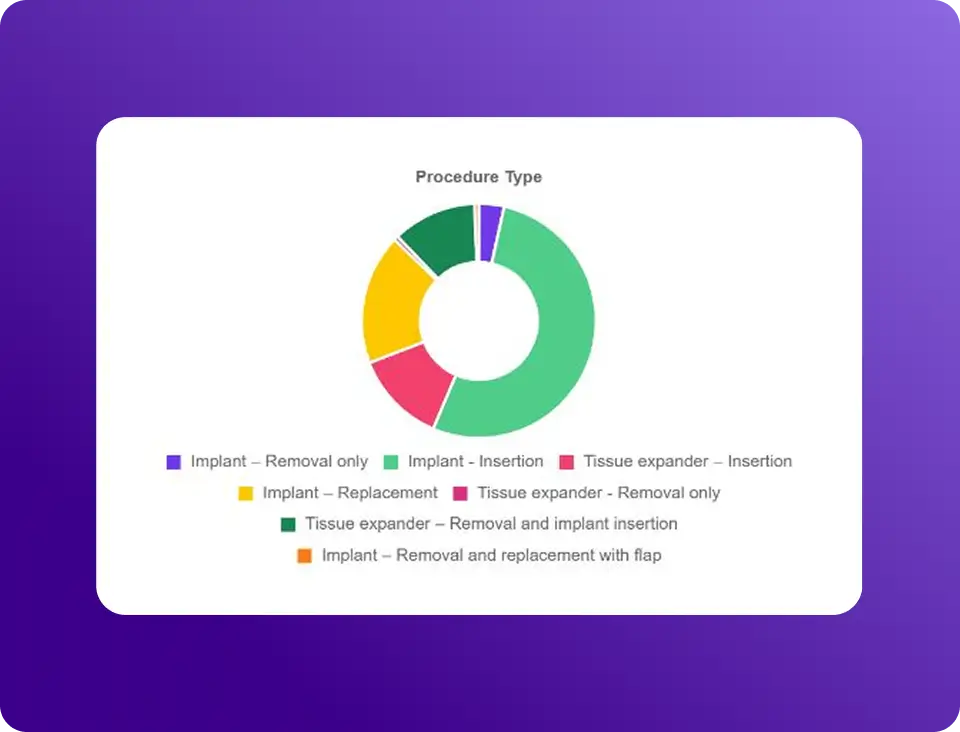
The Breast Device Registry NZ uses MACM to track implants from insertion to removal, capturing surgeon documentation, revision procedures, adverse events, and patient-reported outcomes - all aligned with international standards.
.png)
.webp)
.webp)


.jpg)

.webp)